
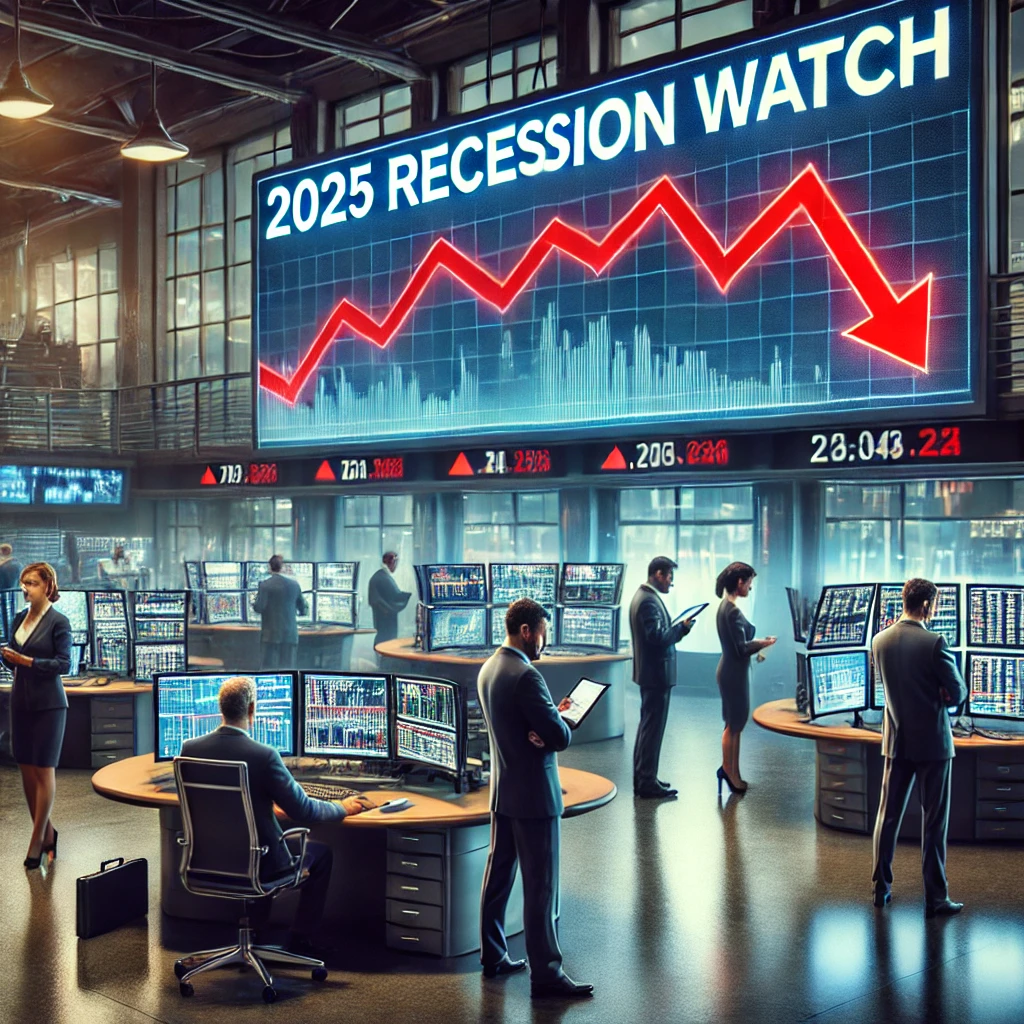
Introduction: The Recession Debate in 2025
With the global economy showing signs of strain, investors are asking the big question: Is a recession coming in 2025? Some experts believe a downturn is inevitable, while others argue the economy is resilient enough to withstand current challenges. Regardless of where you stand, one thing is clear—smart investors should be prepared for any outcome.
In this post, we’ll break down the key warning signs of a potential recession, discuss its impact on various sectors, and explore practical strategies to protect and grow your investments during uncertain times.
The global economy hums with a nervous energy. Whispers of a potential recession in 2025 are growing louder, leaving investors and everyday individuals wondering: Is a downturn coming, and if so, how can we prepare? While predicting the future with absolute certainty is impossible, understanding the economic indicators, expert opinions, and proactive strategies can empower us to navigate the landscape ahead with confidence. This isn’t about fear-mongering; it’s about informed preparedness. Let’s dive in.
Understanding Recessions: What They Are & Why They Happen
A recession is defined as a period of economic decline, typically identified by two consecutive quarters of negative GDP growth. However, recessions aren’t just about numbers—they affect jobs, investments, and overall market confidence.
Common Causes of Recessions:
- High Inflation & Interest Rate Hikes – When inflation spirals, central banks raise interest rates to cool spending, which can slow economic growth.
- Declining Consumer Spending – When people cut back on purchases, businesses suffer, leading to lower profits and job cuts.
- Financial Market Crashes – A sudden stock market drop can erode wealth and weaken consumer and business confidence.
- Global Economic Shocks – Events like wars, energy crises, or supply chain disruptions can push economies into recession.
The key to weathering a recession is preparation—understanding what’s coming and positioning your finances accordingly.
Is a 2025 Recession Coming? Key Warning Signs to Watch
Economists and financial analysts are closely monitoring several indicators that suggest a potential downturn. Here are some red flags:
1. Rising Interest Rates & Tight Monetary Policy
The Federal Reserve and other central banks have been aggressively raising interest rates to combat inflation. While this helps curb rising prices, it also makes borrowing more expensive for businesses and consumers, slowing economic growth.
2. Inverted Yield Curve
An inverted yield curve—when short-term interest rates are higher than long-term rates—has historically been a strong predictor of recessions. This occurred in late 2023 and continues into 2024, raising concerns for 2025.
3. Stock Market Volatility
The stock market has shown increased volatility, with major indices experiencing frequent swings. A prolonged downtrend could signal a loss of investor confidence and an economic slowdown.
4. Slow Job Growth & Rising Unemployment
Job markets have remained relatively strong, but hiring slowdowns and rising layoffs in key industries (such as tech and finance) suggest potential economic weakness ahead.
5. Declining Corporate Profits
As businesses face higher costs and reduced consumer spending, corporate earnings have started to decline—another indicator that a recession may be on the horizon.
How a Recession Could Impact Markets & Industries
A recession doesn’t hit all industries equally. Here’s how different sectors may be affected:
Sectors That Could Struggle:
- Technology & Startups – High-growth companies often rely on cheap borrowing, which becomes more expensive in a high-interest environment.
- Luxury Goods & Retail – Consumers tend to cut back on non-essential spending.
- Real Estate – Higher mortgage rates can lead to fewer home sales and declining property values.
Recession-Resistant Sectors:
- Healthcare & Pharmaceuticals – Demand for healthcare remains steady regardless of economic conditions.
- Consumer Staples – Essential goods like food and household products are always in demand.
- Utilities – People still need electricity, water, and gas, making this sector relatively stable.
Investors should consider adjusting their portfolios to include more defensive sectors that tend to perform well in downturns.
How Investors Can Prepare for a 2025 Recession
1. Diversify Your Portfolio
Recessions can hit certain asset classes harder than others. A well-diversified portfolio that includes stocks, bonds, real estate, and commodities can help reduce risk.
2. Focus on Dividend Stocks
Companies that pay consistent dividends tend to be financially stable and provide a steady income stream, even in downturns. Look for stocks with a history of increasing dividends over time.
3. Increase Cash Reserves
Having cash on hand allows investors to take advantage of market dips and reduces the need to sell assets at a loss during tough times.
4. Invest in Bonds & Fixed-Income Assets
During recessions, investors often flock to bonds, which provide more stability than stocks. Consider Treasury bonds, corporate bonds, and municipal bonds for safer returns.
5. Cut Unnecessary Expenses & Reduce Debt
Personal finance is just as important as investing. Reducing discretionary spending and paying off high-interest debt can improve financial security if a recession hits.
6. Stay the Course & Avoid Panic Selling
Recessions are temporary, and markets eventually recover. Avoid emotional decision-making and stick to your long-term investment strategy.
Investing Opportunities During a Recession
Recessions can also create great investment opportunities for those who are prepared. Here’s where savvy investors can find value:
1. Buy the Dip in Strong Companies
High-quality stocks often go on sale during downturns. Look for companies with strong balance sheets, competitive advantages, and solid cash flow.
2. Real Estate Bargains
Recessions can push home prices lower, creating buying opportunities for long-term investors.
3. Precious Metals & Commodities
Gold and silver often perform well in uncertain economic times, serving as hedges against inflation and currency devaluation.
The Big Picture: What Happens After a Recession?
The good news? Recessions don’t last forever. Historically, they last between 6-18 months before economic growth resumes. Investors who stay patient and stick to their strategies often emerge stronger when the economy rebounds.
Government policies, stimulus measures, and global economic shifts will all play a role in shaping the post-recession landscape. Staying informed and adaptable will help you take advantage of the recovery when it come2025 Recession Watch: Is a Downturn Coming & How Can Investors Prepare?
Introduction: The Recession Debate in 2025
With the global economy showing signs of strain, investors are asking the big question: Is a recession coming in 2025? Some experts believe a downturn is inevitable, while others argue the economy is resilient enough to withstand current challenges. Regardless of where you stand, one thing is clear—smart investors should be prepared for any outcome.
In this post, we’ll break down the key warning signs of a potential recession, discuss its impact on various sectors, and explore practical strategies to protect and grow your investments during uncertain times.
Understanding Recessions: What They Are & Why They Happen
A recession is defined as a period of economic decline, typically identified by two consecutive quarters of negative GDP growth. However, recessions aren’t just about numbers—they affect jobs, investments, and overall market confidence.
Common Causes of Recessions:
- High Inflation & Interest Rate Hikes – When inflation spirals, central banks raise interest rates to cool spending, which can slow economic growth.
- Declining Consumer Spending – When people cut back on purchases, businesses suffer, leading to lower profits and job cuts.
- Financial Market Crashes – A sudden stock market drop can erode wealth and weaken consumer and business confidence.
- Global Economic Shocks – Events like wars, energy crises, or supply chain disruptions can push economies into recession.
The key to weathering a recession is preparation—understanding what’s coming and positioning your finances accordingly.
Is a 2025 Recession Coming? Key Warning Signs to Watch
Economists and financial analysts are closely monitoring several indicators that suggest a potential downturn. Here are some red flags:
1. Rising Interest Rates & Tight Monetary Policy
The Federal Reserve and other central banks have been aggressively raising interest rates to combat inflation. While this helps curb rising prices, it also makes borrowing more expensive for businesses and consumers, slowing economic growth.
2. Inverted Yield Curve
An inverted yield curve—when short-term interest rates are higher than long-term rates—has historically been a strong predictor of recessions. This occurred in late 2023 and continues into 2024, raising concerns for 2025.
3. Stock Market Volatility
The stock market has shown increased volatility, with major indices experiencing frequent swings. A prolonged downtrend could signal a loss of investor confidence and an economic slowdown.
4. Slow Job Growth & Rising Unemployment
Job markets have remained relatively strong, but hiring slowdowns and rising layoffs in key industries (such as tech and finance) suggest potential economic weakness ahead.
5. Declining Corporate Profits
As businesses face higher costs and reduced consumer spending, corporate earnings have started to decline—another indicator that a recession may be on the horizon.
FII stands for Foreign Institutional Investors. These are investment entities, such as mutual funds, hedge funds, pension funds, and insurance companies, that invest in a country’s financial markets from abroad.
Role of FIIs in the Market
FIIs play a crucial role in global and emerging markets by:
- Injecting liquidity into stock markets.
- Influencing stock prices and market trends based on their buy/sell activity.
- Impacting currency exchange rates, as they bring in or withdraw foreign capital.
FIIs & Recession Impact
During a potential 2025 recession, FIIs may:
- Pull out investments from riskier markets, causing market downturns.
- Shift to safe-haven assets like U.S. Treasuries and gold.
- Impact stock market volatility, especially in emerging economies.
Would you like a deeper analysis on how FIIs could react to a 2025 recession? 🚀
How a Recession Could Impact Markets & Industries
A recession doesn’t hit all industries equally. Here’s how different sectors may be affected:
Sectors That Could Struggle:
- Technology & Startups – High-growth companies often rely on cheap borrowing, which becomes more expensive in a high-interest environment.
- Luxury Goods & Retail – Consumers tend to cut back on non-essential spending.
- Real Estate – Higher mortgage rates can lead to fewer home sales and declining property values.
Recession-Resistant Sectors:
- Healthcare & Pharmaceuticals – Demand for healthcare remains steady regardless of economic conditions.
- Consumer Staples – Essential goods like food and household products are always in demand.
- Utilities – People still need electricity, water, and gas, making this sector relatively stable.
Investors should consider adjusting their portfolios to include more defensive sectors that tend to perform well in downturns.
How Investors Can Prepare for a 2025 Recession
1. Diversify Your Portfolio
Recessions can hit certain asset classes harder than others. A well-diversified portfolio that includes stocks, bonds, real estate, and commodities can help reduce risk.
2. Focus on Dividend Stocks
Companies that pay consistent dividends tend to be financially stable and provide a steady income stream, even in downturns. Look for stocks with a history of increasing dividends over time.
3. Increase Cash Reserves
Having cash on hand allows investors to take advantage of market dips and reduces the need to sell assets at a loss during tough times.
4. Invest in Bonds & Fixed-Income Assets
During recessions, investors often flock to bonds, which provide more stability than stocks. Consider Treasury bonds, corporate bonds, and municipal bonds for safer returns.
5. Cut Unnecessary Expenses & Reduce Debt
Personal finance is just as important as investing. Reducing discretionary spending and paying off high-interest debt can improve financial security if a recession hits.
6. Stay the Course & Avoid Panic Selling
Recessions are temporary, and markets eventually recover. Avoid emotional decision-making and stick to your long-term investment strategy.
Investing Opportunities During a Recession
Recessions can also create great investment opportunities for those who are prepared. Here’s where savvy investors can find value:
1. Buy the Dip in Strong Companies
High-quality stocks often go on sale during downturns. Look for companies with strong balance sheets, competitive advantages, and solid cash flow.
2. Real Estate Bargains
Recessions can push home prices lower, creating buying opportunities for long-term investors.
3. Precious Metals & Commodities
Gold and silver often perform well in uncertain economic times, serving as hedges against inflation and currency devaluation.
The Big Picture: What Happens After a Recession?
The good news? Recessions don’t last forever. Historically, they last between 6-18 months before economic growth resumes. Investors who stay patient and stick to their strategies often emerge stronger when the economy rebounds.
Government policies, stimulus measures, and global economic shifts will all play a role in shaping the post-recession landscape. Staying informed and adaptable will help you take advantage of the recovery when it comes.
Final Thoughts: Stay Prepared & Take Control of Your Financial Future
No one can predict the future with certainty, but preparing for a potential 2025 recession is a smart move. By diversifying your investments, reducing financial risks, and staying focused on long-term goals, you can navigate economic downturns with confidence.
What are your thoughts on a possible 2025 recession? How are you preparing your investments? Share your insights in the comments! And if you found this article valuable, don’t forget to share it with others who might benefit from it.
Stay Prepared & Take Control of Your Financial Future
No one can predict the future with certainty, but preparing for a potential 2025 recession is a smart move. By diversifying your investments, reducing financial risks, and staying focused on long-term goals, you can navigate economic downturns with confidence.
What are your thoughts on a possible 2025 recession? How are you preparing your investments? Share your insights in the comments! And if you found this article valuable, don’t forget to share it with others who might benefit from it.
Decoding the Economic Tea Leaves: Recession Warning Signs
Just like a doctor looks for vital signs, economists examine key indicators to gauge the health of the economy. Several factors can signal an impending recession:
- Inverted Yield Curve: This occurs when short-term interest rates rise above long-term rates. Historically, this has been a reliable predictor of recessions. Think of it as the bond market sending a distress signal.
- Declining GDP Growth: Gross Domestic Product (GDP) measures the total value of goods and services produced in a country. Consecutive quarters of negative or sluggish GDP growth are a major red flag.
- Rising Inflation: While some inflation is healthy, runaway inflation erodes purchasing power and can trigger a recession. Central banks often raise interest rates to combat inflation, which can slow economic growth.
- Weakening Consumer Spending: Consumer spending drives a significant portion of economic activity. A decline in consumer confidence and spending can signal trouble ahead.
- Manufacturing Slowdown: A decrease in manufacturing orders and output can indicate a broader economic slowdown.
- Increased Unemployment: Rising unemployment is a clear sign of economic distress and can further dampen consumer spending.
- Geopolitical Instability: Global events, like wars, political turmoil, or pandemics, can create economic shocks and contribute to a recession.
Currently, we are seeing a mixed bag of signals. While some indicators, like the inverted yield curve, are flashing warning signs, others, such as the labor market, remain relatively strong. This makes predicting the future challenging.
Expert Opinions: Decoding the Crystal Ball
Economists and financial analysts have varying opinions on the likelihood of a 2025 recession. Some believe a mild recession is inevitable, while others predict a period of continued, albeit slower, growth. It’s crucial to remember that these are educated guesses, not guarantees.
- The Pessimists: They point to the inverted yield curve, persistent inflation, and geopolitical risks as strong indicators of an impending recession. They suggest a cautious approach to investing and emphasize the importance of risk management.
- The Optimists: They highlight the strength of the labor market and the resilience of consumer spending. They believe that the economy can navigate the current challenges and avoid a sharp downturn.
The truth likely lies somewhere in between. The economic outlook is uncertain, and it’s essential to be prepared for various scenarios.
Recession-Proofing Your Portfolio: Actionable Strategies
Regardless of whether a recession materializes, taking proactive steps to protect your investments is always a wise move. Here are some strategies to consider:
- Diversification is Your Best Friend: Don’t put all your eggs in one basket. Diversify your investments across different asset classes, such as stocks, bonds, real estate, and commodities. This can help mitigate losses if one sector underperforms. For example, during a recession, bonds and defensive stocks (like utilities and consumer staples) tend to hold up better than growth stocks.
- Rebalance Your Portfolio Regularly: As market conditions change, your portfolio’s asset allocation can drift away from your target. Regularly rebalancing ensures that you maintain your desired level of risk exposure. For instance, if stocks have performed well, you might consider selling some and reinvesting in bonds to maintain your target allocation.
- Focus on Quality Stocks: In uncertain times, it’s wise to focus on companies with strong fundamentals, solid balance sheets, and a history of profitability. These companies are more likely to weather an economic storm. Look for companies with low debt levels and a sustainable competitive advantage.
- Consider Defensive Sectors: Certain sectors tend to perform relatively well during recessions, such as healthcare, consumer staples, and utilities. These sectors provide essential goods and services that people continue to need even during economic downturns.
- Build a Cash Cushion: Having some cash on hand can provide a safety net during times of uncertainty. It can also allow you to take advantage of investment opportunities that may arise during a downturn. Think of it as dry powder for future investment.
- Review Your Emergency Fund: A recession can lead to job losses and unexpected expenses. Ensure that you have a robust emergency fund to cover your living expenses for at least 3-6 months.
- Pay Down High-Interest Debt: Reducing your debt burden can free up cash flow and provide a buffer during a recession. Focus on paying down high-interest debt, such as credit card debt, as quickly as possible.
- Consider Alternative Investments: While not suitable for everyone, alternative investments like real estate, gold, or private equity can provide diversification and potential returns during a recession. However, these investments often come with higher risks and require careful due diligence.
- Stay Informed, But Don’t Panic: Keeping abreast of economic news and expert opinions is important, but avoid making impulsive decisions based on fear. Stick to your long-term investment strategy and avoid emotional selling.
Navigating Past Downturns
History offers valuable lessons. Consider the following examples:
- The 2008 Financial Crisis: Those who maintained a diversified portfolio and avoided panic selling were able to recover their losses and eventually benefit from the subsequent market rebound.
- The Dot-Com Bubble: Investors who focused on fundamentally sound companies and avoided speculative investments fared much better than those who chased high-flying tech stocks.
These examples highlight the importance of a long-term perspective, diversification, and disciplined investing.
- Reviewing your portfolio: Analyzing your current asset allocation and identifying areas for improvement.
- Rebalancing your portfolio: Adjusting your holdings to align with your target asset allocation.
- Researching and selecting investments: Identifying quality stocks, bonds, or other assets that fit your investment strategy.
- Executing trades: Buying and selling securities through your brokerage account.
- Monitoring your portfolio: Regularly tracking your investments and making adjustments as needed.
Sustainable Action
While financial preparedness is crucial, we must also acknowledge the broader context. Economic downturns often exacerbate existing inequalities and environmental challenges. As conscious investors and consumers, we have a responsibility to promote sustainable and equitable economic practices.
- Invest in ESG Companies: Environmental, Social, and Governance (ESG) factors are increasingly important to investors. Companies with strong ESG performance are often more resilient and better positioned for long-term success.
- Support Sustainable Businesses: Choose to support businesses that prioritize environmental sustainability and social responsibility.
- Reduce Your Consumption: Mindful consumption can reduce your environmental footprint and save you money.
- Advocate for Change: Use your voice to advocate for policies that promote sustainable economic growth and social justice.
The 2025 recession watch serves as a reminder of the interconnectedness of our economic, social, and environmental systems. By taking proactive steps to protect our investments and embracing sustainable practices, we can build a more resilient and equitable future for all. Don’t just weather the storm; contribute to building a better tomorrow. Start today.